Sustainable Wool: From Farm to Fashion — Why Ethical Practices Matter
A Vogue-informed exploration of how ethically sourced wool nourishes ecosystems, honors animal welfare, and elevates every garment or home textile it touches. This is a guide for shoppers who want beauty with responsibility, luxury with transparency, and fashion that respects the land and the people who tend it.
Overview: The Pulse of Sustainable Wool
Wool is not merely a fabric; it is a living ecosystem of fibers grown from sheep that thrive when their environments are cared for. Sustainable wool production centers animal welfare, traceability, and low-impact farming practices. It means farmers embracing regenerative grazing, reducing chemical inputs, and maintaining soil vigor so landscapes flourish for generations. In the fashion and bedding industries, sustainable wool translates into products that feel luxurious on the skin while carrying a lighter footprint on the planet.
This article doesn’t just tell you what sustainable wool is; it teaches you how to recognize it, how to ask the right questions, and how to support brands that align with your values. From farm to finished item, sustainable wool traverses a journey that balances elegance with ethics, ensuring comfort for you and care for the creatures and habitats that supply it.
Certifications and What They Truly Ensure
Certifications act as signposts on the road to responsible consumption. They offer third-party assurance that certain standards have been met. However, as the fashion reader knows, not all seals are created equal. When evaluating wool, several certifications commonly surface — including GOTS (Global Organic Textile Standard), OKO-TEX, and various animal welfare and traceability programs. Read beyond the badge and ask: What stages of the supply chain are covered? How is animal welfare monitored? What environmental controls exist across farms, mills, and dyehouses?
may verify humane handling, access to pasture, and living conditions for flocks. track materials from farm to finished product, enabling transparency about origin, farming practices, and processing.
Beyond these, many brands adopt proprietary supply chain audits, farmer agreements, and collaborative certifications that collectively elevate industry standards. The key for consumers is to seek multi-layer verification: organic farming practices, welfare assurances, and verifiable supply-chain transparency that reaches the final textile or product you purchase.
How to Evaluate Wool Products: A Practical Guide
Whether you are shopping for a luxurious wool topper, a warm sweater, or bedding, use a simple framework to assess ethical sourcing and environmental impact. Consider these questions as your quick-start checklist:
- Where was the wool farmed, and is there credible traceability from farm to product?
- What welfare standards are in place for the animals, and how are they enforced?
- What chemicals are used in processing, dyeing, and finishing, and are they limited by recognized standards?
- Does the brand disclose milling and manufacturing locations, and do they show a commitment to reducing carbon footprint?
- Are there durable design and repair options that encourage longevity rather than planned obsolescence?
In practice, look for items where the wool is certified organic or sourced from farms with animal welfare commitments, and seek products that are designed for longevity with repair or repurposing in mind. Educate yourself about the materials in the entire stack: the wool itself, the cover fabrics (often organic cotton or wool blends), and any fillings or additional fibers like latex used in toppers. A holistic view ensures you’re not just buying luxury but investing in a sustainable relationship with your wardrobe and home textiles.
Key Figures in the Narrative: Three Voices Across Time
Sustainable wool thinking has been shaped by voices spanning centuries, from early advocates for humane animal husbandry to modern designers who weave ethics into high fashion. Here are three influential figures who illuminate the thread from farm to fashion.
Pioneer of humane animal husbandry ideas in wool production
Long before modern certifications, early shepherd-led movements emphasized stewardship of flocks and lands. Fairfax’s advocacy for pasture-based grazing and humane treatment of sheep laid groundwork for later reformers who would persuade the industry to consider welfare and ecological balance as core design principles. His era's ethos reminds us that sustainable wool starts with respect for the animals that yield the fiber and the ecosystems that sustain them.
Textile reformer and advocate for fair labor in wool processing
Benson’s work in labor rights and industrial reform highlighted how the human cost of textile production intersects with ecological considerations. She championed safer working conditions and transparent supply chains, urging brands to disclose processing practices. Her legacy endures in modern demands for ethical sourcing, as consumers increasingly associate luxury with responsible production and workers’ well-being along the wool value chain.
Sustainability scholar and industry consultant advancing traceability in wool
Farah’s work bridges academic research and practical industry reform, emphasizing end-to-end traceability and the integration of regenerative grazing practices. Her guidance informs brands on how to implement verifiable supply chains, assess environmental impacts, and communicate credible, accessible narratives to consumers. In contemporary fashion and bedding, her influence helps transform consumer demand into measurable improvements across the supply chain.
These voices—rooted in history, social justice, and scientific inquiry—illustrate that sustainable wool is not a trend but a continuum of care. From pastoral fields to the shelves of ethical boutiques, the story of wool is one of responsibility meeting refinement.
A Featured Product: Savvy Rest Harmony Latex Topper
Savvy Rest Harmony Latex Topper
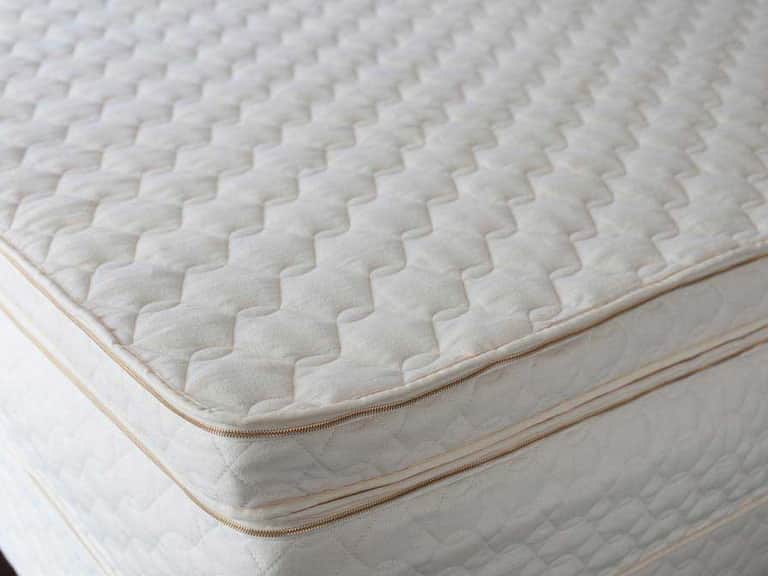
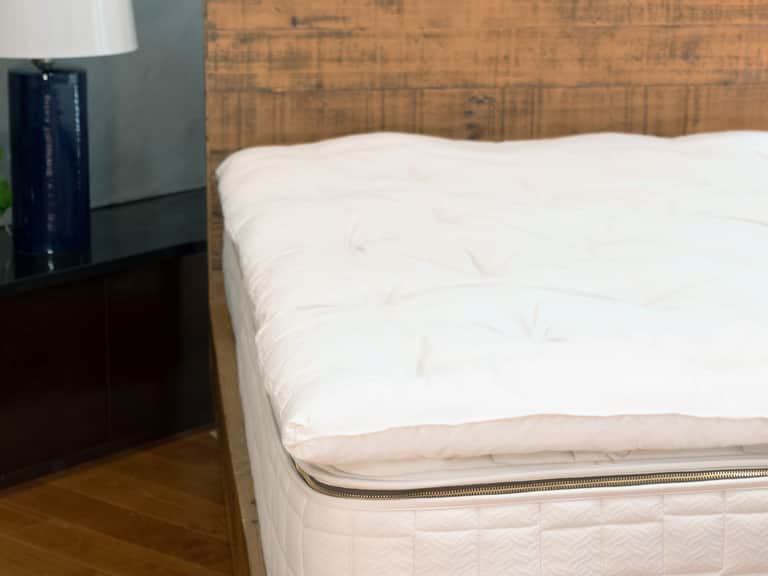
The Harmony topper embodies the union of luxury and sustainability. A three-inch layer of natural latex is encased in a quilted organic cotton cover with wool batting, delivering pressure-point relief while maintaining breathability. The topper’s construction follows Savvy Rest’s ethos of all-natural materials, offering a plush, supportive surface that aligns with healthy sleep and responsible sourcing.
- Three-inch natural latex insert for superior cushioning
- Encased in wool batting quilted inside an organic cotton cover
- GOTS-certified topper; designed to be breathable and dust-mite resistant
- Total height approximately 4 inches
- Warranty: 20 years with Savvy Rest mattress pairing; 3-year limited otherwise

Source: The Clean Bedroom product page for Savvy Rest Harmony Latex Topper.
Closing Thoughts: A Conscious Wardrobe for a Conscious World
Ethical wool is an invitation to luxuriate in softness while standing up for the earth. It asks brands to be transparent, consumers to be informed, and designers to weave sustainability into every seam. The story of wool—spun from farms that honor the land and the animals, finished into textiles that promise comfort without compromise—remains one of the most elegant paths to responsible luxury.
As you curate wool-forward pieces for your home and wardrobe, remember that your choices ripple outward. Each purchase supports humane farming, fair labor, and sustainable innovation. The future of fashion and bedding can be as exquisite as it is ethical—an ensemble that makes you feel radiant, knowing you’ve contributed to a healthier planet.
Further Reading and Resources
If you crave more depth, explore these angles in sustainable wool:
- Farm-to-fabric traceability case studies from regenerative grazing programs
- Industry reports on the environmental footprint of textile production and wool-specific mitigation strategies
- Interviews with wool farmers, textile mills, and designers integrating sustainability into luxury fashion
By embracing sustainable wool practices, you become a curator of beauty with a conscience—shaping products, brands, and platforms that honor the land, the livestock, and the people who bring warmth to our lives.