Choosing Truly Sustainable Wool: Tracing Impact from Farm to Finished Product
A Vogue-inspired guide to ethical wool, transparency, and the power of durable design in bedding and lifestyle goods.
Introduction: The thread that binds ethics, craft, and lifestyle
In a world increasingly hungry for authenticity, the fabric of sustainability is woven through every layer of a product’s life — from the verdant pastures where sheep graze to the final, carefully packaged item that reaches your bedside. The conversation around wool has evolved beyond soft textures and warmth; it now centers on animal welfare, transparent supply chains, and durable, circular design. This article invites you to follow the thread from farm to finished product, to understand how sustainable wool practices begin in the fields, travel through the hands of artisans, and culminate in responsibly made bedding and wellness goods.
The topic is timely: modern consumers crave not just luxury but accountability. Wool, with its natural temperature regulation, moisture management, and resilience, offers a path toward comfort that also respects people and planet. In this guide, we explore the key elements that signify truly sustainable wool — from pasture management and animal welfare to certification schemes you can verify, label-by-label.
Theme 1: Animal welfare and ethical sourcing
Sustainable wool starts with the sheep and the shepherd. Ethical sourcing means more than guaranteeing that wool is not matted with cruelty; it means ensuring animals live with dignity, have access to pasture, and are raised in systems that respect their welfare. Brands that foreground animal welfare often partner with farms that use rotational grazing, provide shade and shelter, and maintain transparent traceability.
In practice, this translates into farm-to-brand storytelling: farms that offer open access to welfare audits, documented living conditions, and independent certifications that a consumer can verify. The fashion houses of wool are discovering that ethical welfare is as compelling a selling point as any cut of fabric — it creates trust, loyalty, and a narrative that resonates with environmentally conscious readers and shoppers.
Practical takeaway: when you encounter a label, look for explicit statements about animal welfare, pasture access, and third-party certifications that validate welfare claims. If questions arise, reach out to brands with a curious, confident voice — your inquiries can push for greater transparency across the industry.
Theme 2: Pasture management and land stewardship
The ecological heartbeat of sustainable wool is pasture management. Ethical stewardship means grazing that preserves soil health, biodiversity, and water quality. When sheep graze on diverse pastures, they contribute to soil carbon sequestration, nutrient cycling, and resilient ecosystems. The best wool comes from landscapes that are tended with patience and science: holistic planned grazing, cover crops, and agroforestry accents that support climate resilience.
Brands rooted in sustainable wool rarely stop at the fiber; they narrate the farm’s ecology: rotational grazing calendars, soil health metrics, and the seasonal rhythms that govern fiber quality. This transparency helps consumers understand why a wool product is more than a conscientious purchase — it is a stewardship act.
Theme 3: Certification schemes and traceability
In the age of informed consumers, certifications act as beacons in the fog of marketing claims. Reputable wool certifications cover animal welfare, environmental stewardship, and social responsibility. Labels such as GOTS (Global Organic Textile Standard) and others that verify organic, ethical, or regenerative practices offer a portable promise across stages of production.
The consumer’s roadmap includes learning how to read certifications, knowing which schemes matter for your values, and recognizing that traceability is most powerful when it documents each step from farm to finished product — including processing, spinning, weaving, and final assembly.
Practical guidance for consumers: reading labels, asking questions, and supporting circular design
The modern wool shopper should approach labels like a stylist approaches a collection: with curiosity, attention to detail, and a willingness to demand the best. Here are practical questions to guide your decisions:
- Where does the wool originate, and is the farm committed to animal welfare and pasture biodiversity?
- What certifications cover the product, and how can you verify them?
- What is the product’s lifecycle footprint — from washing to end-of-life disposal or recycling?
- Is the wool fiber blended with other materials, and how does that affect durability and sustainability?
- Does the brand support circular design, durable construction, and repairability?
In the world of bedding and textiles, durability is a virtue. A long-lasting topper, pillow, or comforter reduces waste, lowers the total impact of consumption, and elevates the craft of sleep. Supporting brands that champion durable, repairable designs helps close the loop — a core principle of truly sustainable fashion.
Key figures across time: voices who shaped our understanding of sustainable wool
The conversation about sustainable wool is enriched by diverse voices from different eras, each contributing a lens through which to view ethics, craft, and responsibility.
1800s: Princess Alexandra of Russia — textile reformist
In an era defined by industrial expansion, reform-minded figures whispered about quality of life and humane practices in factories that produced textiles. Alexandra's advocacy for workers and artisans foreshadowed modern labor and welfare standards that echo in today’s supply chains.
1960s: Ray Anderson — sustainability pioneer
A climate-conscious thinker who reframed industry ethics, Anderson championed systemic change within materials industries. His advocacy for cradle-to-cradle thinking laid groundwork for circular design principles that influence modern wool producers and bedding brands committed to durable, repairable products.
2000s–2020s: Stella McCartney and the ethical fashion movement
Contemporary voices like Stella McCartney have elevated the conversation around animal welfare, environmental stewardship, and transparent supply chains in fashion. Their leadership demonstrates that luxury and accountability can coexist, inspiring wool brands to pursue certifications, ethical farming partnerships, and durable design that ages gracefully.
A Vogue-style field guide to sustainable wool products
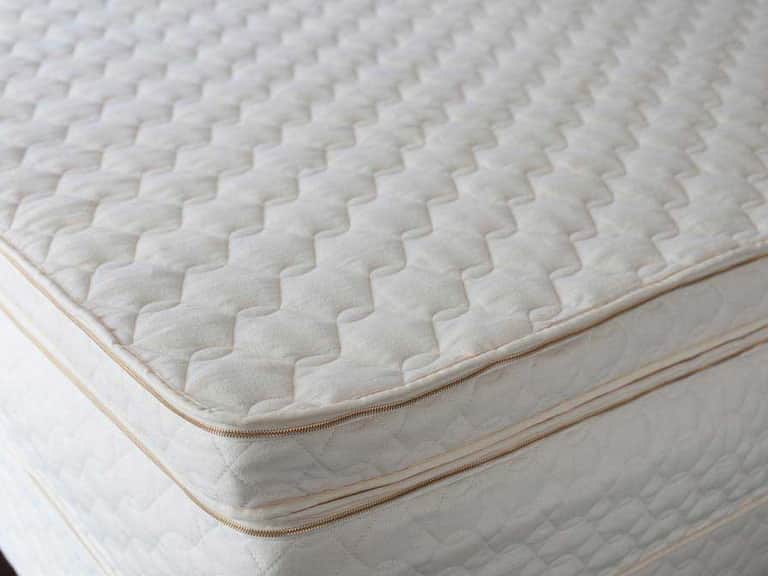
In the realm of bedding and comfort, the most compelling products are those that master both form and function — that feel luxurious without compromising ethics. Consider toppers, pillows, and comforters crafted from organic wool, where the fiber’s natural breathability, moisture-wicking, and thermo-regulation meet meticulous construction.
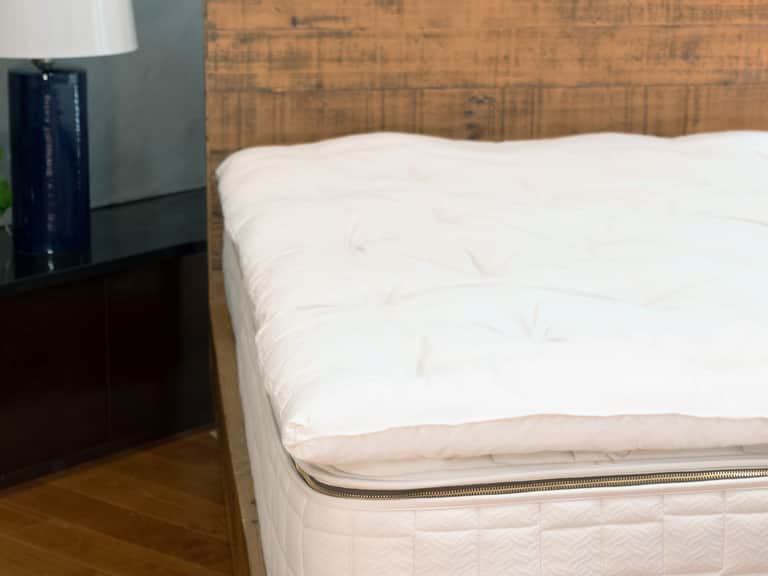
Among the curated possibilities, one standout is the Savvy Rest Harmony Latex Topper. This four-inch hybrid layer couples a three-inch natural latex core with a wool and organic cotton cover, delivering superior pressure relief while keeping the bedding breathable and free from synthetic flame retardants. It is a modern example of how sustainable materials can function as high-performance luxury.
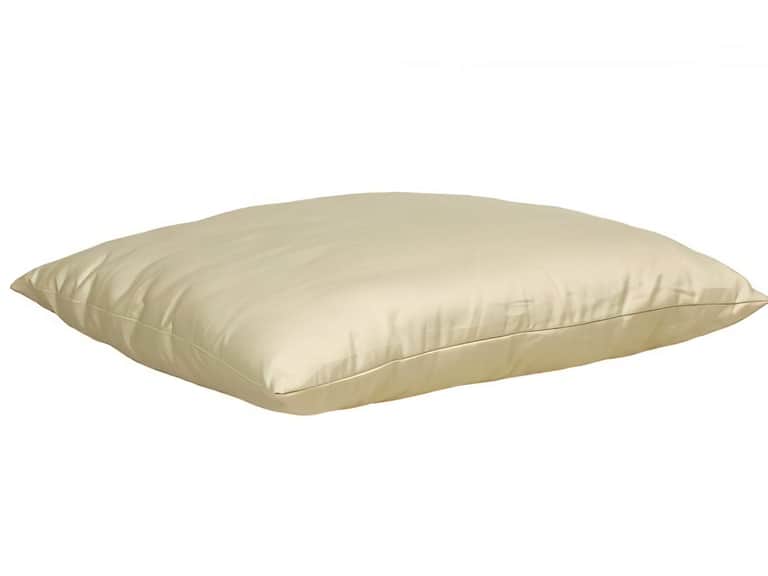
Another emblem of the sustainable-wool ethos is the Sleep and Beyond MyMerino Organic Wool Pillow, a pillow that blends hypoallergenic merino wool with a certified organic cotton cover. The result is a pillow that maintains temperature balance, resists moisture buildup, and remains gentle on sensitive skin.
When evaluating these products, look for clear narratives about the fiber’s origin, the processing methods, and the materials used in the outer fabrics. A well-made wool product should offer durability, repairability, and a traceable path from the farm to your home.
Featured product spotlight
Savvy Rest Harmony Latex Topper (4 Inch)
A curated example of sustainable luxury, combining latex, wool, and organic cotton.
The Harmony topper features a three-inch natural Talalay latex insert wrapped in pure wool and encased in a quilted organic cotton cover. This construction delivers targeted pressure relief, breathability, and a flame-retardant profile achieved without chemical additives.
Starting price: 1399.00 USD
Sleep and Beyond MyMerino Organic Wool Pillow
A refined balance of temperature regulation and hypoallergenic comfort.
This pillow uses certified organic merino wool and a breathable organic cotton cover, offering a five-year warranty and a comfortable, long-lasting profile suitable for sleepers seeking natural support without compromise.
Price: 139.00 USD
Note: Availability and product details may change. Always verify current specifications and certifications with the retailer.
How to begin your journey: actionable steps for a truly sustainable wool ethic
- Identify brands that publish transparent supply chains, including farm origins and welfare audits.
- Look for third-party certifications that cover animal welfare, organic farming, and environmental stewardship.
- Prioritize durable designs with repairability and clear end-of-life considerations, such as recyclability or take-back programs.
- Support farms and brands that demonstrate regenerative pasture practices and biodiversity conservation.
- Choose products that balance luxury with longevity — the surest path to reducing waste and increasing satisfaction.
Conclusion: The velvet rope to a conscientious wardrobe and home
Truly sustainable wool is less about a single decision and more about a practice — a lifestyle of curiosity, responsibility, and refined taste. As fashion houses, bedding brands, and artisan farms converge around ethical sourcing and durable design, the consumer emerges as a critical co-creator of a better supply chain. By embracing transparent claims, demanding robust certifications, and celebrating products that honor both people and planet, we can transform the way we sleep, relax, and wear wool.
The future of wool is not merely a trend; it is a commitment to a slower, smarter form of luxury — one that sustains the land that nurtures the fiber and the hands that craft it into timeless comfort.