Understanding Wool in Sleep: A Brand and Material Comparison Guide
By examining how wool toppers, pillows, and comforters from respected brands influence comfort, temperature regulation, and long-term durability, readers gain a practical framework for choosing sleep essentials without promotional bias.
Wool has long held a quiet throne in bedding, prized for its natural ability to regulate temperature, manage moisture, and resist dust mites. In a sleep market crowded with synthetic fabrics and marketed “miracle” fillings, wool offers a different kind of credibility: a material rooted in centuries of craft and traditional textile knowledge. Yet, the way wool performs in the real world—how warm it keeps you in winter, how cool it feels in summer, how it breathes when you move—depends not just on the fiber, but on how a product is built around that fiber. Brand choices matter because they often signal differences in wool sourcing, filling, and cover materials. This guide surveys three established players—Sleep and Beyond, Suite Sleep, and Savvy Rest—focusing on what sets their toppers and pillows apart and how those choices translate to everyday sleep comfort and long-term durability.
The comparison below uses publicly documented product characteristics, materials, and certifications to help readers read the market with clarity. We emphasize non-promotional, editorial evaluation rooted in the science of textiles and the lived experience of sleepers. Where possible, we reference genuine product descriptions and certifications such as GOTS (Global Organic Textile Standard) and organic wool claims, which are central to evaluating sustainability and safety in wool bedding.
1) Why wool matters in sleep surfaces
Wool’s natural properties are well-suited to a healthy sleep environment. Its crimped fiber structure creates loft that cushions the body while promoting air permeability. Wool wicks moisture away from the skin, helping maintain a stable microclimate even as room conditions shift. These traits are particularly valuable in toppers and comforters, where the goal is to refine a sleep surface without excessive heat buildup or moisture retention.
From a product design perspective, the key variables are: the weight or density of the wool filling, the layer’s loft or thickness, the fiber origin, and the surrounding shell or cover. A wool topper with a soft, breathable organic cotton cover will feel different from a denser, tufted design where wool is hand-tufted to prevent shifting. Similarly, a wool comforter’s warmth depends on the fill’s weight and the shell’s breathability, not solely on the wool itself.
2) Brand snapshots: core differences in wool toppers and pillows
Sleep and Beyond – MyWool Pillow and related toppers
Sleep and Beyond emphasizes 100% washable wool fillings encased in natural cotton percale, with a focus on year-round comfort and resilience. The key selling point here is the combination of wool’s temperature regulation with a cover that promotes breathability, aiming to minimize hot spots and moisture buildup. The pillow maintains a soft cradle feel while retaining enough firmness for neck support as you shift positions at night. This alignment tends to suit back and side sleepers who prefer a natural fill that can breathe without becoming noticeably heavy.
In toppers, its approach often centers on a straightforward, non-toxic build that can be maintained over time through machine-friendly care. The design philosophy is to offer a durable, low-maintenance experience that emphasizes the reliability of wool as a sleep foundation.
Suite Sleep – Washable wool and accessible care
Suite Sleep presents a family of products built around washable wool, with shells often crafted from organic cotton sateen. The emphasis is on ease of care and daily usability—comforters and mattress pads that can handle regular washing while maintaining loft and warmth. This approach makes wool approachable for households that prioritize ease of laundry routines, especially in climates with fluctuating temperatures or in households with children.
From a materials standpoint, Suite Sleep tends to favor wool blends that preserve natural warmth while enabling straightforward machine washing, an attractive combination for busy households seeking calm, dependable sleep surfaces.
Savvy Rest – Customizable wool pillows and premium fill
Savvy Rest foregrounds customizable wool pillows, allowing sleepers to adjust loft by removing or adding wool fill. The brand’s wool is described as certified organic, which aligns with broader consumer interest in organic materials and transparent supply chains. In pillows, the ability to tailor height and firmness is particularly appealing for individuals who seek precise neck support and spinal alignment. The velvet-like softness of wool in a pillow, combined with a breathable cotton casing, invites a night of quiet support and temperature regulation.
For toppers and other wool products, Savvy Rest’s emphasis on high-quality organic wool and cotton covers resonates with sleepers who value purity in materials and a sleep system that honors body-wide comfort without synthetic additives.
Across these brands, the essential takeaways are clear: wool is a dynamic partner for sleep surfaces, but its performance hinges on how the wool is filled, what fibers surround it, and how the ensemble is cared for. We find that the most satisfying products balance loft with breathability, avoid excessive heat buildup, and maintain resilience through repeated cycles of use and cleaning. Certifications such as GOTS and organic wool claims help consumers assess sustainability and safety in materials, ensuring that the wool fibers come from trusted sources and that processing preserves the natural properties of wool rather than masking them with chemical treatments.
3) How to evaluate wool toppers and related bedding
When assessing wool toppers, consider these practical criteria: weight and loft, fill quality, shell materials, and care requirements. A lighter topper with low loft will feel different than a high-loft, thick topper; the former may be best for those who sleep hot or prefer firmer support, while the latter can be ideal for those seeking a more cushioned surface. Wool weight often correlates with warmth, but the fabric’s breathability and the shell’s construction ultimately determine whether the surface feels soft, airy, or enveloping.
- Weight and loft: How much wool is used, and how thick is the layer? Loft affects pressure distribution and spinal support.
- Wool origin and certification: Is the wool organic? Are certifications like GOTS present? Does the brand disclose fiber sources?
- Shell and cover: Is the shell natural cotton or a blend? How breathable is the cover?
- Care and longevity: Can the topper be cleaned without compromising wool loft? Are there spot-clean guidelines or machine-wash options?
- Durability cues: Are the wool fibers locked in place to prevent shifting? Is there hand-tufting or edge stitching to retain loft?
- Compatibility: How does the topper integrate with existing mattresses and sheets? Does it affect airflow in your sleep space?
Readers should prioritize experiences and certifications above marketing language. A wool topper that can be refreshed by sunning, spot cleaning, or gentle care often outperforms something that requires fragile handling or specialized detergents. The goal is a sleep surface that remains breathable, hypoallergenic, and supportive across seasons, without sacrificing ease of maintenance.
4) Reading certifications and material claims
A central aspect of buying wool bedding responsibly is understanding certifications like GOTS and organic wool labels. GOTS certifies both the textile processing and the organic status of the fiber, ensuring a chain of custody that supports environmental and social criteria. When a topper or pillow touts GOTS-certified wool or a GOTS-certified organic cotton shell, readers gain a level of assurance about the ethical and environmental standards behind the product.
Beyond formal certifications, readers should look for explicit material disclosures: where the wool is sourced, whether it is regenerative or from cooperative farming, and how the wool is processed. Transparent reporting helps distinguish products that genuinely prioritize sustainability from those that rely on marketing alone. In the wool sleep space, such transparency often correlates with higher-quality sleep surfaces and better long-term value.
In our exploration of brands and materials, the practical upshot is straightforward: choose wool toppers and pillows with well-documented origins, reliable care instructions, and clear, verifiable certifications. This combination supports both a healthier sleeping environment and a more sustainable wardrobe of bedding that can endure the wear and washing inherent to daily life.
5) Practical takeaways for readers of wooltoppers.com
For readers seeking a careful, evidence-based approach to wool sleep products, keep these guiding points in mind:
- Prioritize a balance of loft and breathability. Wool should feel cushioned but not oppressive, and the surrounding cover should permit airflow to the fibers.
- Favor certifications and transparent sourcing. GOTS and organic wool claims provide essential signals about safety and sustainability.
- Read care instructions closely. Products marketed as washable wool should come with clear washing guidance that preserves loft and fiber integrity over time.
- Consider your sleep style and climate. Back sleepers may benefit from a different loft than side sleepers; those in dry, warm climates may prefer lighter toppers, while cooler environments might support higher lofts.
- Look for longevity indicators. Hand-tufted constructions and edge stitching can reduce fiber migration and maintain loft, translating into lasting comfort.
Ultimately, wool remains a compelling choice for sleepers who value natural materials, temperature regulation, and long-term durability. The brands highlighted here—Sleep and Beyond, Suite Sleep, and Savvy Rest—illustrate a spectrum of design philosophies within a shared commitment to wool as a sleep-ready fiber. By evaluating weight, fill, shell, and certification, readers can assemble a sleep surface that aligns with their preferences for comfort, care, and conscience.
A note on product context and real-world availability
This guide speaks to the broader landscape of wool sleep products, including toppers, pillows, and comforters sold through reputable brands that emphasize natural materials and transparent sourcing. When shopping, readers should verify current product specifications on the brand’s official pages and ensure that any stated certifications reflect current certifications and the product’s actual composition at the time of purchase.
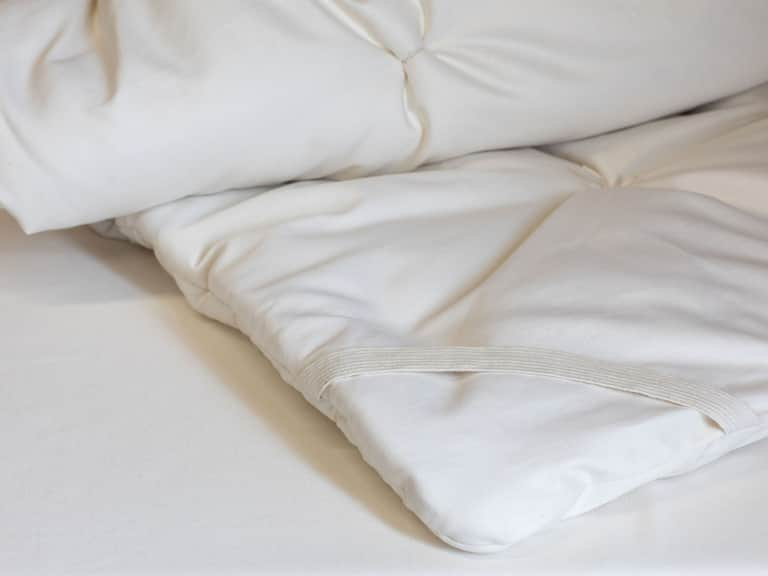
As a practical reference, consider a product like the Natural Child's Crib Mattress Topper, which represents a cradle-to-kind approach to wool in nursery sleep spaces, combining 100% organic cotton sateen with Premium Eco Wool batting and corner elastic straps for a stable fit. While this example sits in the nursery segment, its emphasis on GOTS-certified materials echoes the same values applicable to toppers, pillows, and comforters designed for both adults and children. The overarching lesson remains: the best wool sleep products balance natural materials with clear, verifiable standards and thoughtful construction that supports consistent, comfortable sleep night after night.
Conclusion: A measured path through wool sleep choices
Wool in sleep presents a compelling fusion of age-old textile wisdom and modern, health-conscious manufacturing. Brand differences matter not merely for naming or aesthetics but for the very real distinctions in fiber provenance, fill weight, and care requirements that shape nightly comfort and long-term durability. By comparing brand-backed toppers, pillows, and comforters through the lenses of loft, breathability, certifications, and practical upkeep, readers acquire a disciplined framework for choosing sleep surfaces that honor both body and planet.
Wool toppers and related bedding should be understood not as marketing abstractions but as functional systems. When a topper is well-constructed with honest materials and transparent sourcing, it becomes a durable ally in sleep health. Readers who approach the market with a critical eye—checking fiber origins, reading certification claims, and aligning product features with personal sleep needs—will find wool can deliver not just warmth and comfort, but a sleep environment defined by reliability and responsible craftsmanship.
This article draws on publicly documented product features and certifications from established wool bedding brands. For further exploration of specific products, readers may consult official brand pages and product care guides to confirm current specifications and availability.